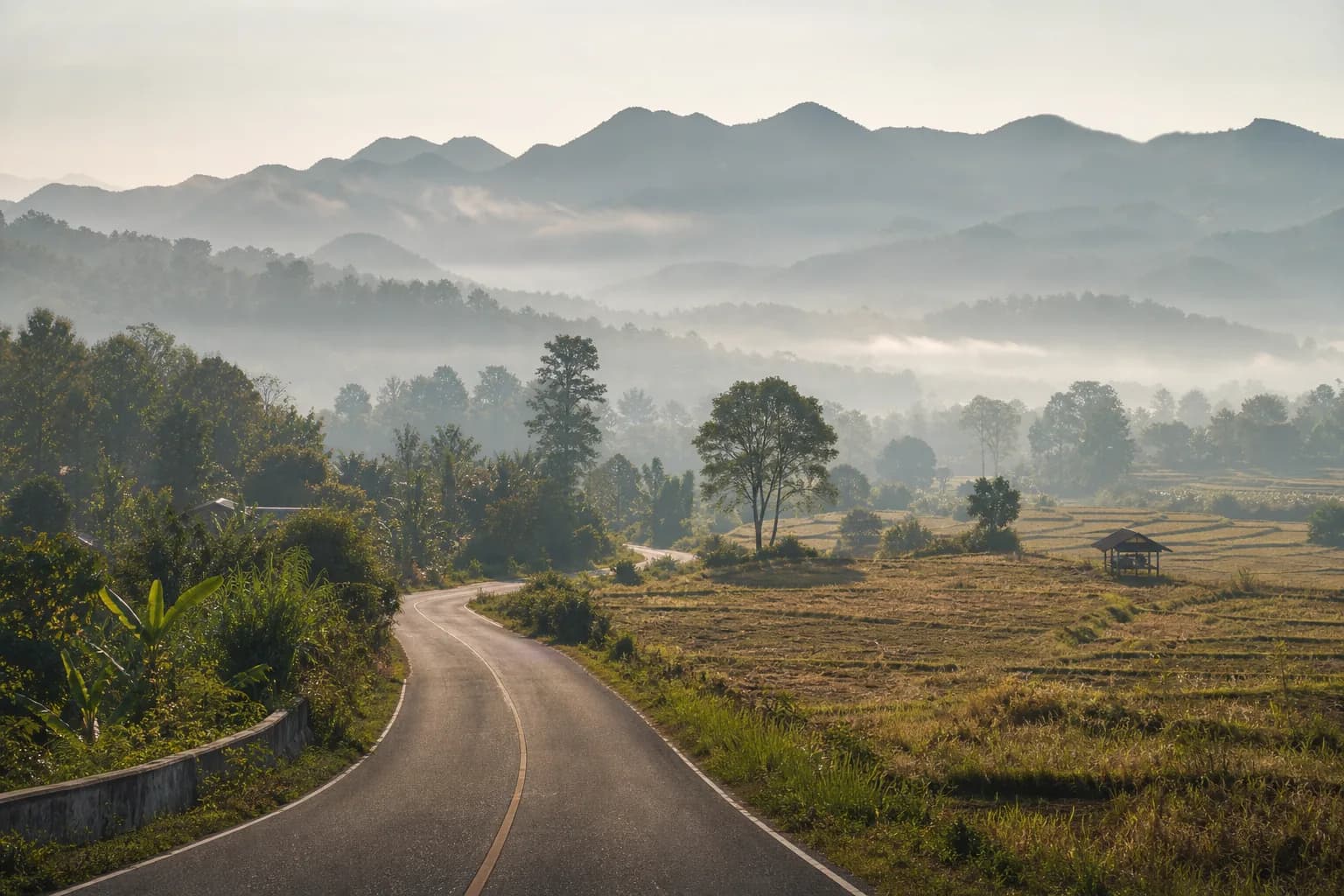
Route Overview and Road Conditions
The drive from Chiang Mai to Pai covers approximately 135 kilometers along a winding mountain road known for its numerous curves and elevation changes. Travelers should anticipate a drive time of around three to four hours, depending on traffic and weather. Road surfaces are generally maintained but may include sections with limited guardrails and occasional debris, particularly after heavy rains. It is advisable to check local traffic updates and road conditions before departure to ensure a smooth journey.
Vehicle Selection and Rental Considerations
Choosing the right vehicle is crucial for navigating the mountainous route safely. Compact cars or motorcycles are popular among travelers, but those unfamiliar with winding roads or inexperienced riders should consider more stable options. Rental agencies in Chiang Mai offer a range of vehicles; however, verifying the condition of brakes, tires, and suspension is recommended. Additionally, confirm that your rental agreement includes provisions for mountain driving, as some companies may have restrictions or require supplemental insurance.
Insurance and Safety Precautions
Given the challenging nature of the drive, securing comprehensive insurance coverage is advisable. This includes both vehicle insurance and personal accident protection. Travelers should review policy details to understand coverage limits, especially concerning mountainous terrain. Wearing helmets on motorcycles and using seat belts in cars are mandatory safety practices. Carrying a first aid kit and emergency contact information is also prudent in case of unforeseen incidents along the route.
Planning Stops and Amenities Along the Way
While the route from Chiang Mai to Pai is primarily rural, there are several small towns and viewpoints where drivers can rest and refuel. Planning breaks is important to reduce fatigue on the demanding road. Amenities such as fuel stations and eateries are available but may be limited in operating hours and services. It is advisable to carry sufficient water and snacks, especially during peak travel seasons or off-hours. Confirming the availability of facilities beforehand can contribute to a more comfortable and stress-free drive.